Unpacking the Gods of Hyrule: A Gamer's Dive into Zelda's Deities
As a lifelong Zelda fan, I can't help but marvel at how a game from 1998 still shapes the entire series' mythology. The Legend of Zelda: Ocarina of Time not only pioneered 3D adventure but also laid down the divine blueprint of Hyrule. And honestly? Even after playing Breath of the Wild and Tears of the Kingdom a hundred times, I still go back to that opening scene with the three Golden Goddesses...
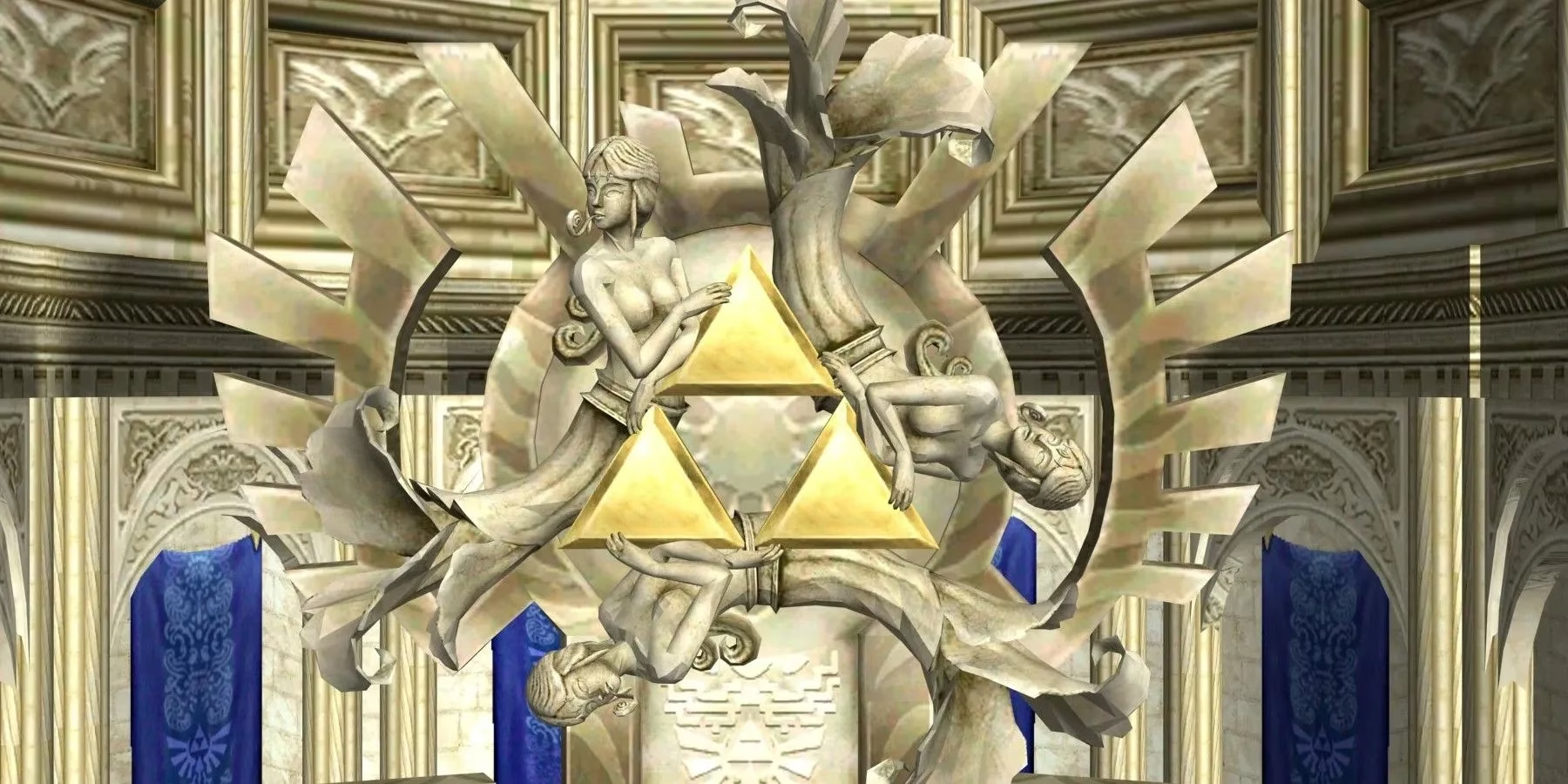
I mean, talk about a power trio, right? Din, Nayru, and Farore descended from the heavens and literally crafted the world. Din forged the land with fire, Nayru established laws and order, and Farore breathed life into every creature. It's wild to think that without them, we wouldn't have the sprawling fields of Hyrule or the Sheikah tech. They also left behind the Triforce, which set the entire franchise in motion.
The Original Architects: Din, Nayru, and Farore
Each goddess has a distinct personality and element that matches the Triforce pieces. Din is raw power 🔥, Nayru is wisdom and serenity 🌊, and Farore is courage and vitality 🌿. Whenever the land is in danger—like when Ganondorf tried to conquer everything in The Wind Waker—the people prayed to them, and they responded by flooding the world to seal him away. That's some serious divine intervention.
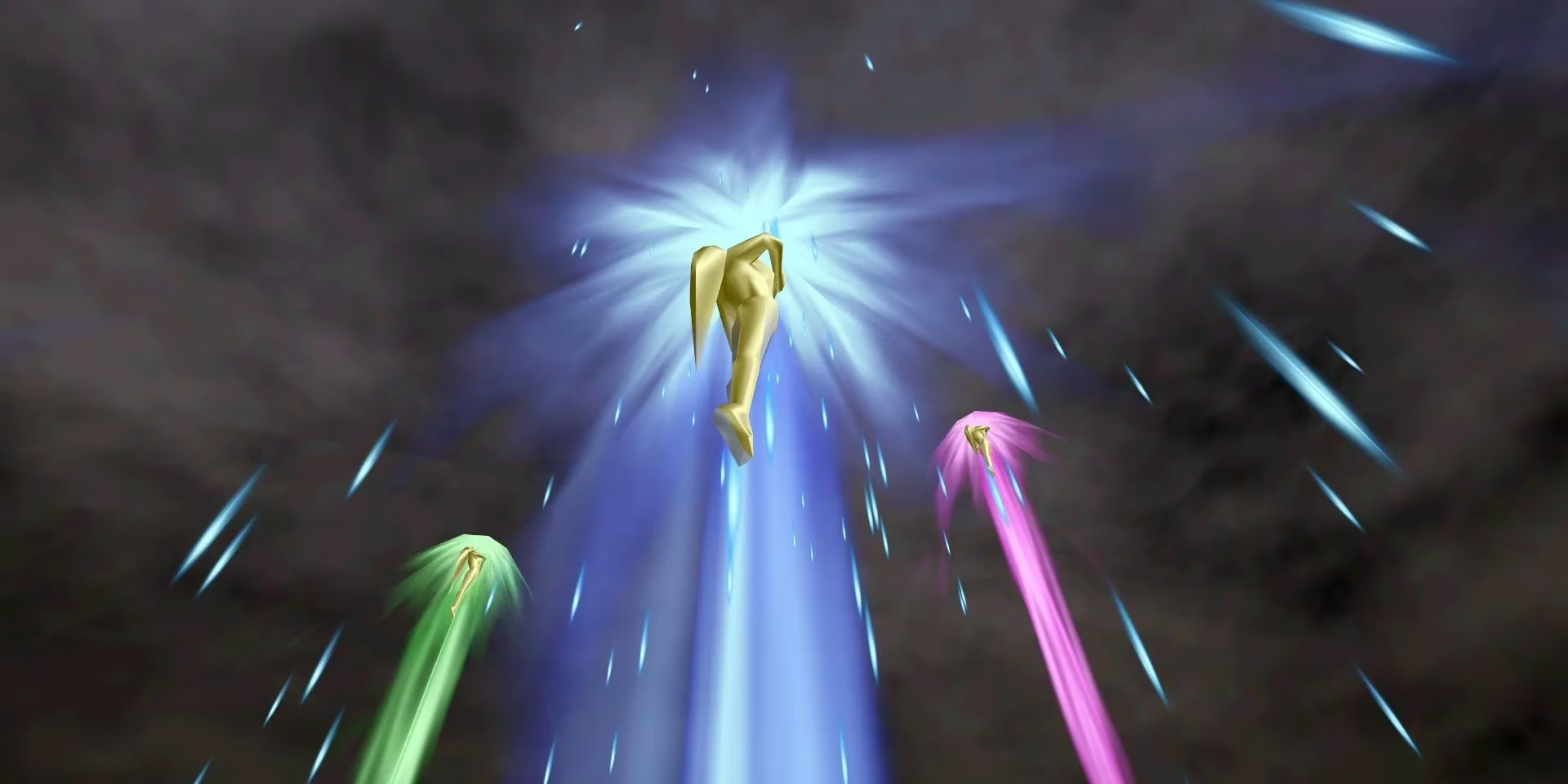
But after creating Hyrule, the goddesses ascended and left the Triforce under the care of another deity: Hylia. Now, Hylia is a whole story on her own.
Hylia: The Protector Reborn
Hylia first appeared in Skyward Sword, but her statues are everywhere in BotW and TotK—by 2026, we've all seen them a million times. She was chosen to guard the Triforce and protect the Hylians. When the Demon King Demise rose, Hylia lifted a chunk of land into the sky, created Skyloft, and then fought him until she was gravely wounded. You know what she did next? She gave up her immortality to be reborn as a mortal—yes, that's right, Princess Zelda is basically Hylia reincarnated. It's poetic, and it links the goddess to the royal bloodline forever.
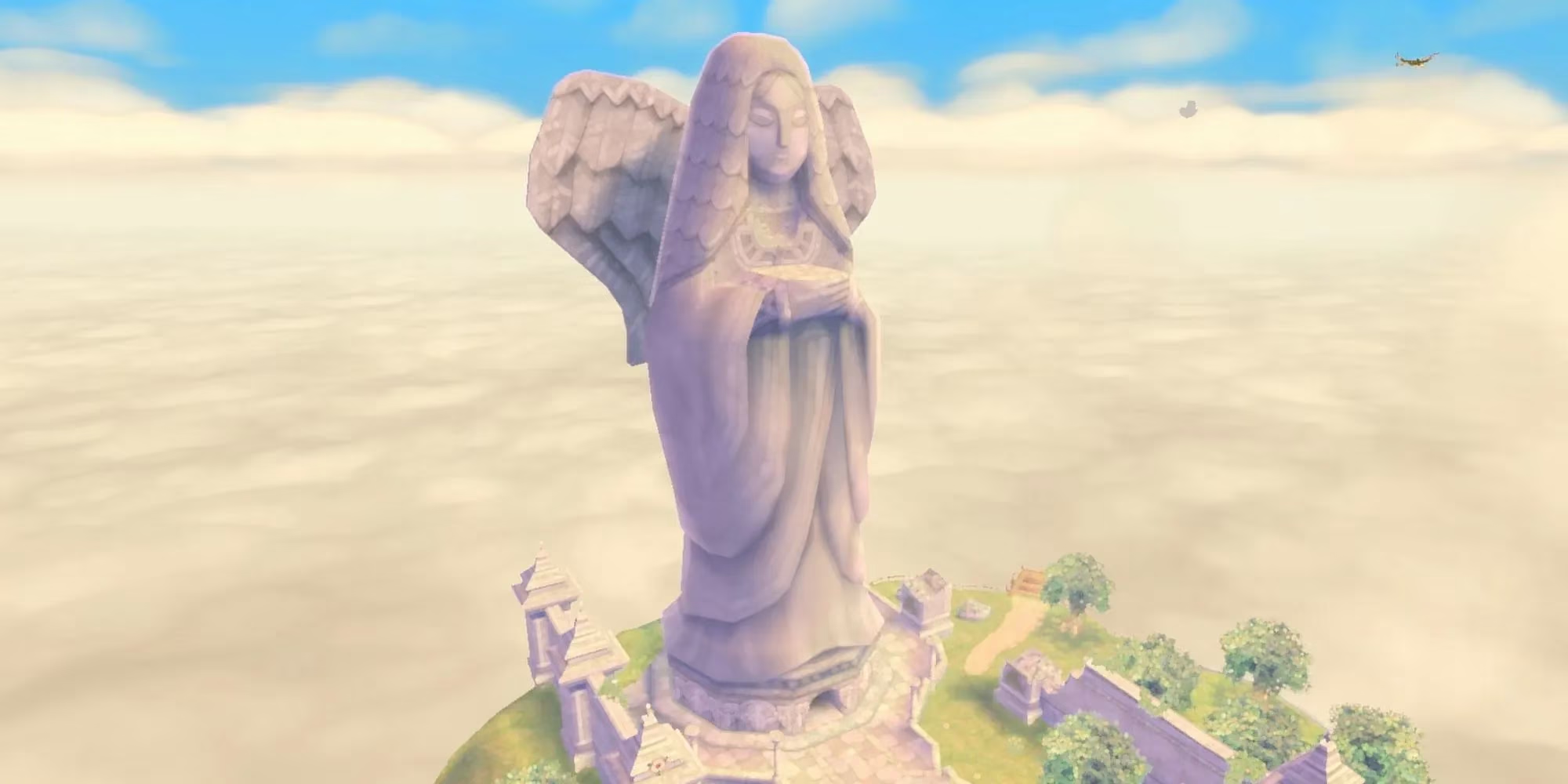
Every time Link and Zelda team up, it's an echo of that ancient battle. Hylia's sacrifice set the stage for the unending cycle of hero and princess.
Demise: The Curse That Keeps on Giving
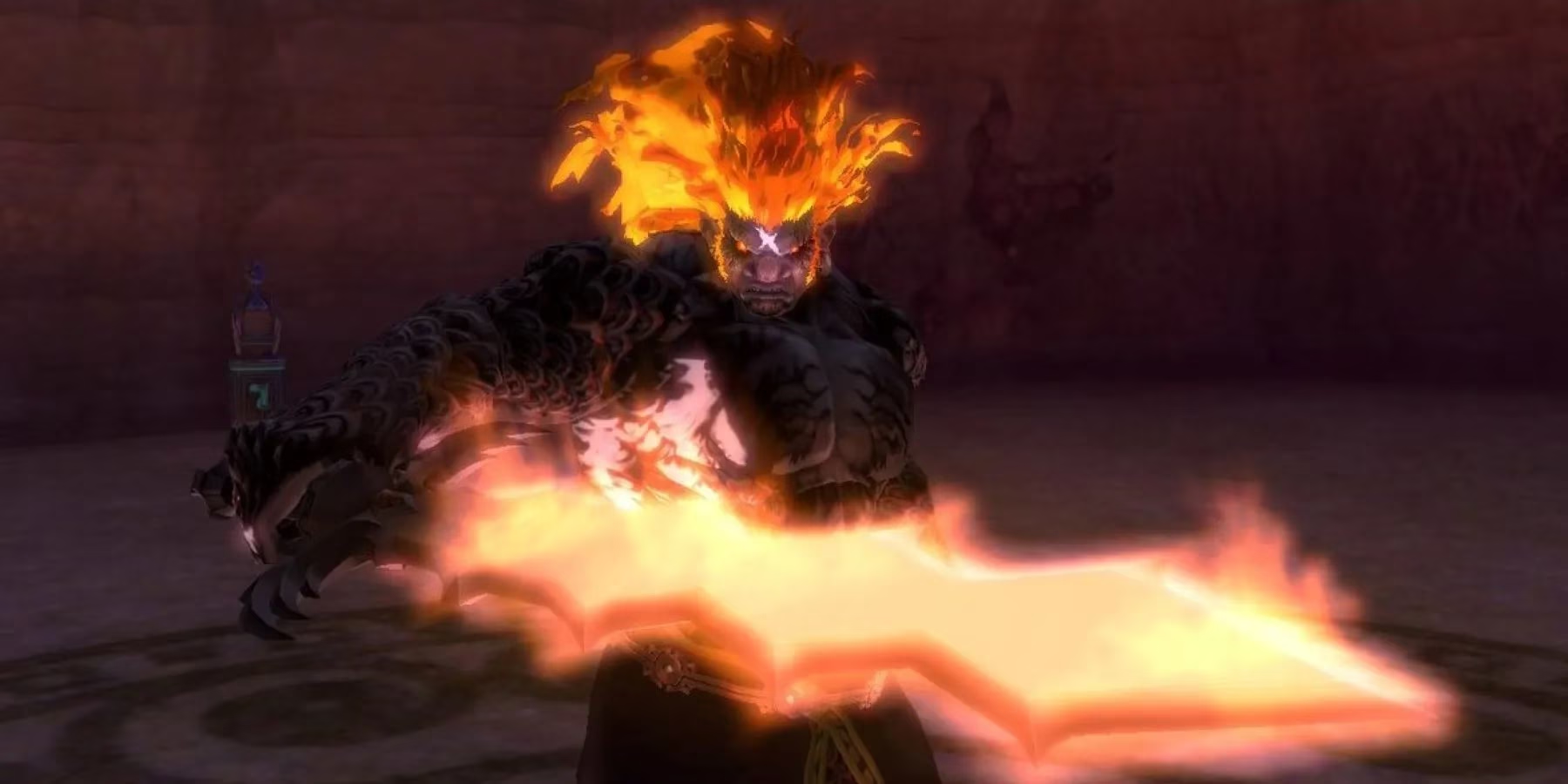
Okay, Demise isn't a god, he's a demon. But his role is so intertwined with Hylia that you can't skip him. After a brutal fight in Skyward Sword, Demise's dying breath placed a curse: his hatred would reincarnate again and again to torment the descendants of the goddess and the hero. That's why we keep seeing Ganon, Ganondorf, or some calamitous threat in every era. It's like a cosmic game of tag that never ends.
The Enigmatic Goddess of Time
Time travel is a staple in Zelda, and there's one mysterious figure mentioned only in Majora's Mask: the Goddess of Time. People in Termina pray to her when the moon is falling, and Zelda even reassures Link that the Goddess of Time will protect him. But we never see her. Is she really Hylia in another form? The fandom is split, and honestly, I love the mystery. It adds a layer of quiet transcendence to the clockwork universe of Hyrule.
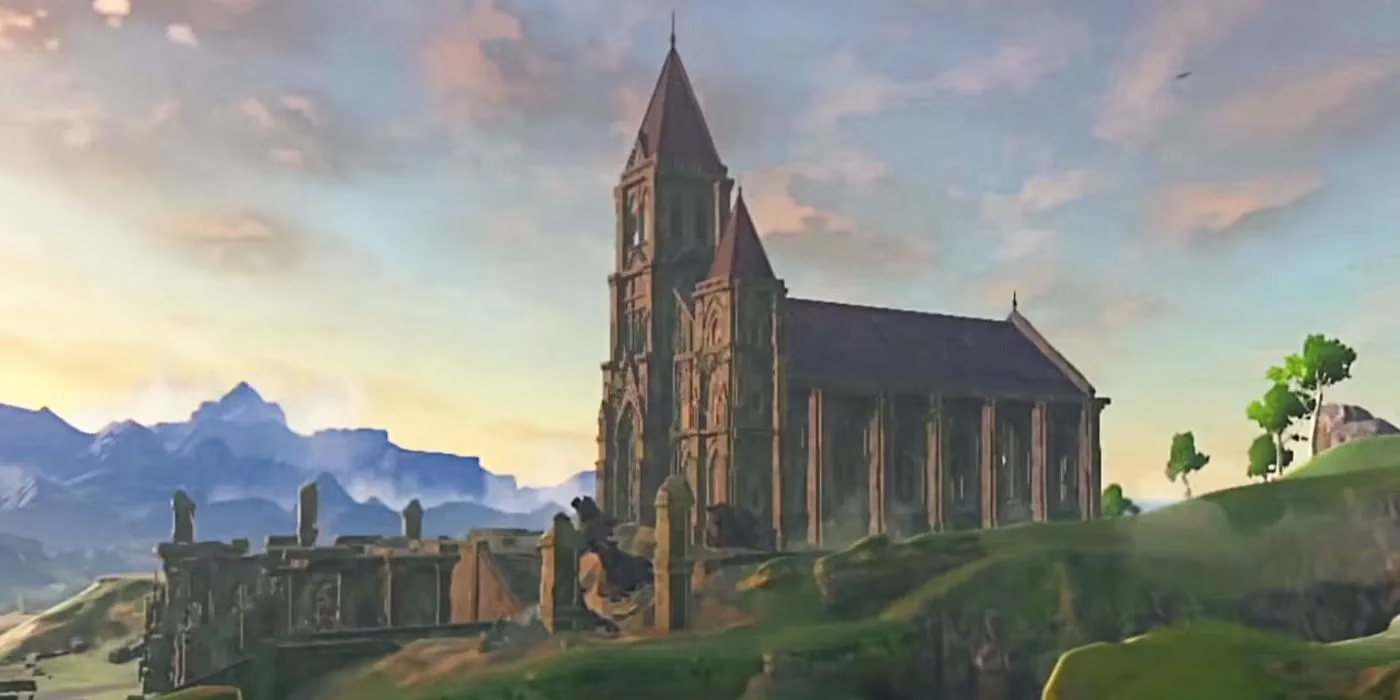
A Pantheon of Lesser Gods and Spirits
Beyond the big names, the series is packed with quirky and powerful beings. Malanya the Horse God can resurrect your fallen horses in BotW and TotK—and that's a blessing when your favorite mount meets a Lynel. The Wind Fish from Link's Awakening can create entire islands with a dream. Zephos and Cyclos teach wind control, while the Four Giants of Termina literally hold the moon up when you call them. Even the Great Deku Tree is essentially a timeless guardian spirit.
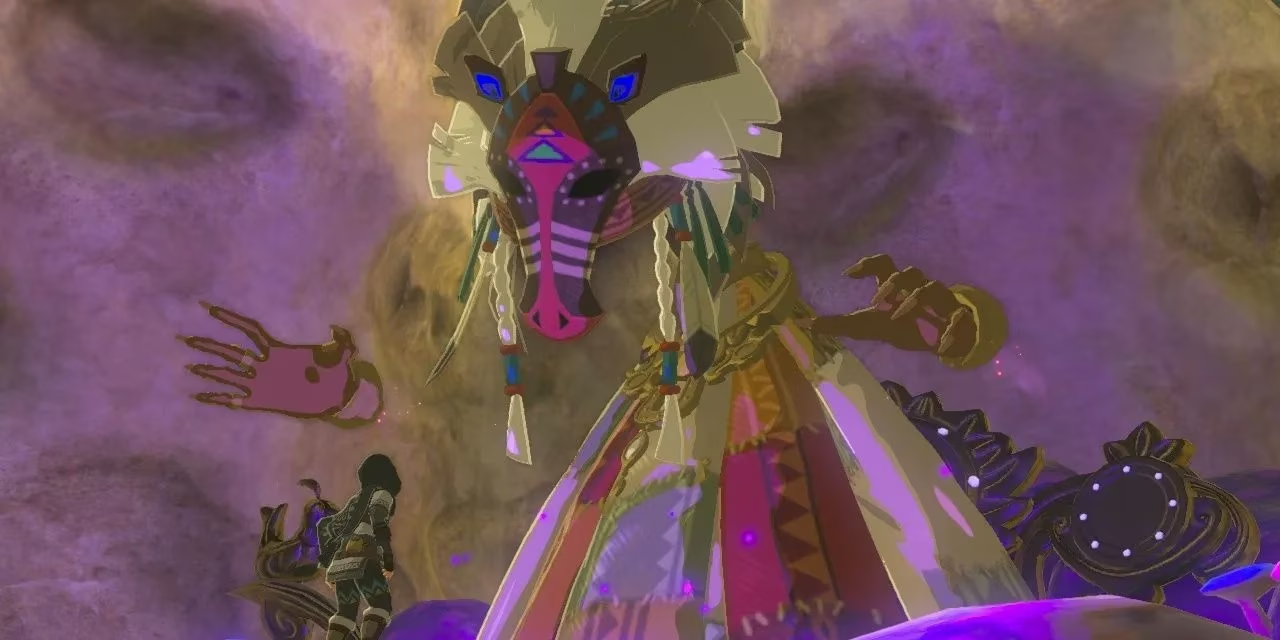
These beings might not sit at the top of the divine hierarchy, but they're fan-favorites for a reason. They give the world texture and remind us that Hyrule is more than just a kingdom—it's a living, breathing myth.
From the Golden Goddesses to the Horse God, the Zelda franchise weaves a rich tapestry of divine influence. It's why I keep coming back to these games. Every playthrough reveals another layer of lore, and by 2026, with TotK and beyond, the pantheon feels more alive than ever.