Tears of the Kingdom's Forgotten Tragedy: Ganondorf's Brutal Betrayal of the Gerudo
In the vast, lore-rich world of The Legend of Zelda: Tears of the Kingdom, players have spent years exploring the skies and depths of Hyrule. Yet, even in 2026, subtle narrative threads continue to surface, painting a darker portrait of its central villain. While Ganondorf’s goal of conquest is no secret, a deeper dive into the game's Dragon Tear memories reveals a chilling level of ruthlessness, particularly in his treatment of his own people. Forget just ruling over ruins; this Demon King was willing to scorch his own heritage to seize power, a move that adds a whole new layer of tragedy to the Gerudo's ancient customs.
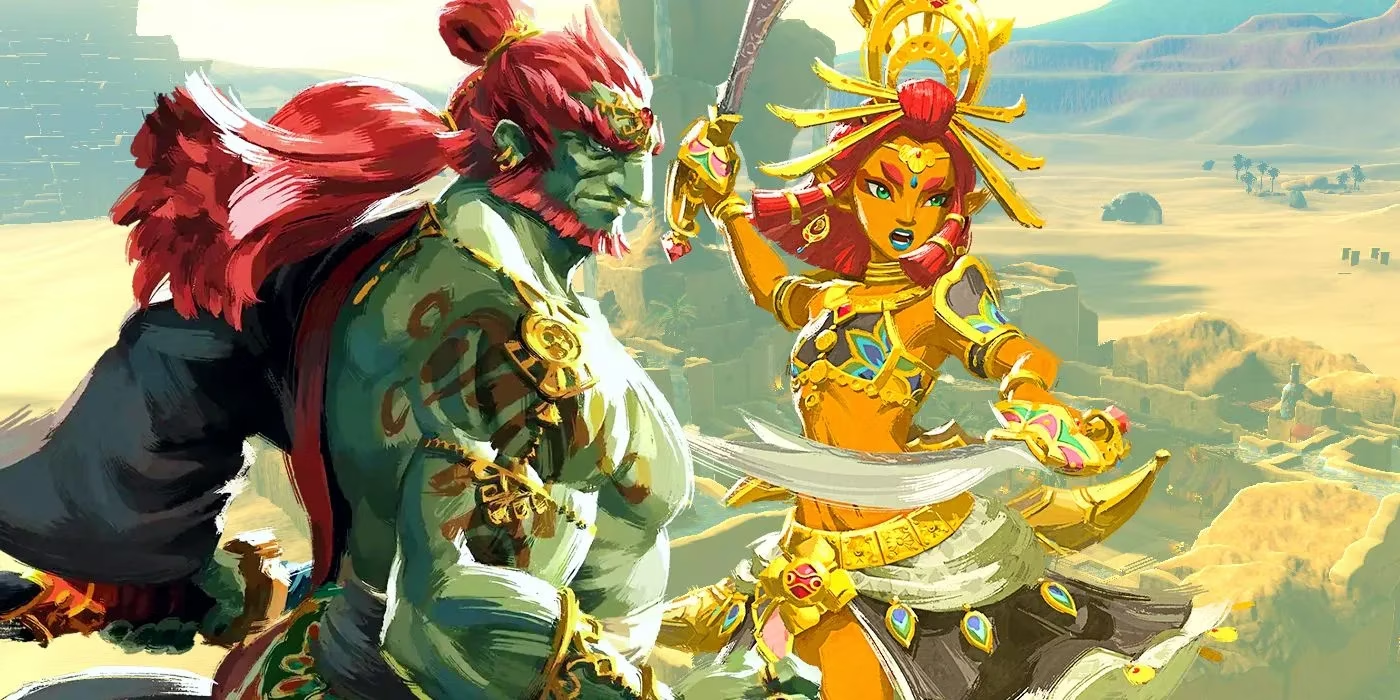
The memory cutscenes, viewed from Princess Zelda's perspective in the ancient past, initially show a familiar dynamic. Ganondorf, the lone male king of the Gerudo, leads his formidable warrior tribe into battle. In early memories, we see them assaulting the Great Plateau, only to be repelled by the mighty powers of King Rauru. This confrontation sets the stage for what seems like a political masterstroke. Ganondorf, appearing chastened, accepts an invitation to Rauru's court and swears fealty to Hyrule, bringing the Gerudo into the fold. Talk about a plot twist! From the outside, it looks like diplomacy wins the day.
However, as savvy players and commentators like Reddit user HawkeGaming have noted, this was all a clever ruse. Ganondorf's pledge of loyalty was nothing more than a Trojan horse tactic. His real goal was to get close to the royal family, specifically to Queen Sonia and her powerful Secret Stone. Memories 9 and 10 later confirm the horrifying truth: Ganondorf assassinated Sonia and stole her stone, an act of ultimate betrayal against the kingdom he had just sworn to serve. This wasn't ambition; this was a cold-blooded power grab of the highest order.
But the betrayal didn't stop with the Hylians. The true, gut-wrenching twist concerns the Gerudo themselves. After claiming the Secret Stone and transforming into the Demon King, Ganondorf's relationship with his people took a sinister turn. In Memory 12, the Sage of Water delivers a devastating report to King Rauru: "We just received word that the last free village in the Gerudo Desert has fallen." This single line implies a catastrophic conflict. The Gerudo, the very army he once led, were seemingly crushed by the monstrous horde their own king summoned.
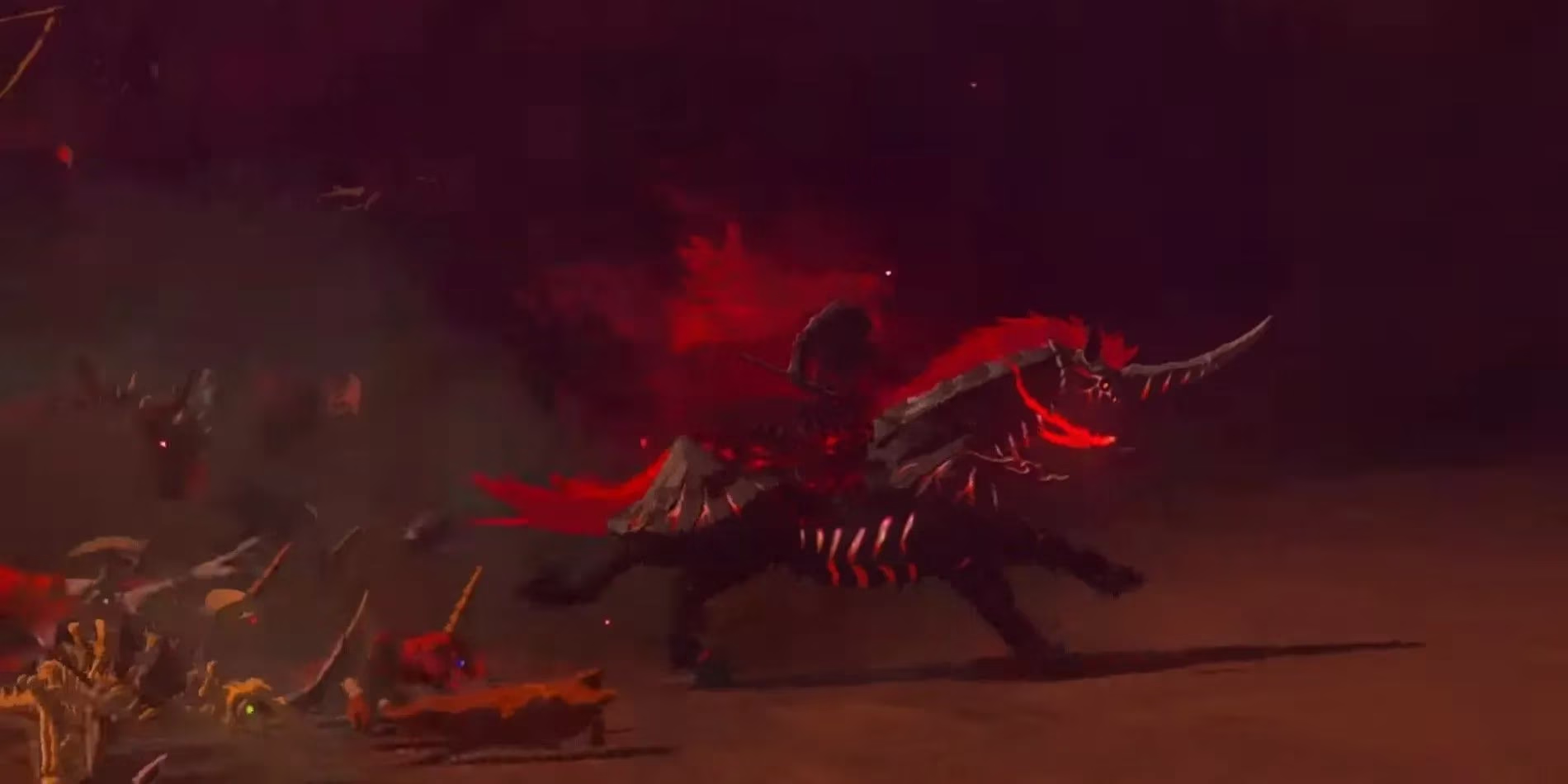
The implications are stark and point to two grim possibilities:
-
The Calculated Betrayal: Ganondorf, empowered by his demonic transformation, may have viewed the Gerudo as obsolete. With an endless army of monsters at his command, his mortal followers were no longer necessary. Eliminating them could have been a strategic move to remove a potential rival force that was now aligned with Rauru.
-
The Righteous Revolt: Alternatively, the Gerudo, a proud and honorable warrior tribe, may have turned against their king upon witnessing his descent into pure evil—assassinating a queen and embracing monstrous conquest. Ganondorf would then have crushed their rebellion mercilessly.
Either scenario ends in tragedy for the Gerudo. As a formidable warrior culture, they represented a significant threat to Ganondorf's new regime once they were under Rauru's protection. Their near-annihilation helps explain a cultural mystery that has persisted for untold millennia: the Gerudo's strict exclusion of males from Gerudo Town. The trauma of being led to ruin and slaughtered by their own male king, Ganondorf, could have cemented this matriarchal law as a permanent safeguard against such betrayal ever happening again. It’s a cultural scar born from the ultimate betrayal.
This overlooked detail elevates Ganondorf from a mere force of destruction to a uniquely personal villain. His quest for power wasn't just about dominating Hyrule; it was about severing all ties, even the most fundamental ones. He didn't just become a demon; he became a monster to his own people. This adds profound depth to the conflicts in the present-day game, where characters like Riju fight to protect a homeland still shadowed by this ancient sin.
| Narrative Beat | Implication for Gerudo | Ganondorf's Motivation |
|---|---|---|
| Pledge of Fealty | Temporary alliance with Hyrule. | A deceptive tactic to infiltrate the royal court. |
| Assassination of Sonia | Makes their king an oathbreaker. | To seize the Secret Stone's power at any cost. |
| Transformation & Invasion | Their homeland becomes a battlefield. | To conquer Hyrule with a new, monstrous army. |
| Fall of Gerudo Villages | Possible genocide/cultural devastation. | To eliminate a rival power or crush rebellion. |
In the grand scheme of Tears of the Kingdom, this subplot is a masterclass in environmental storytelling. The game doesn't shout this tragedy from the rooftops; it hides it in a single line of dialogue, allowing players to piece together the horrifying history. It shows that Ganondorf's evil isn't just grandiose—it's intimate, cruel, and has echoes that resonate through the ages, right down to the societal rules of the Gerudo in the present day. This, folks, is why digging into the lore never gets old. The devil, as they say, is in the details—and in this case, the Demon King is too.
```Community feedback is collected from GameFAQs, where players frequently discuss the deeper lore implications of Ganondorf's actions in Tears of the Kingdom. Many threads analyze how the narrative choices impact the Gerudo's cultural evolution, with users debating the long-term effects of Ganondorf's betrayal on Gerudo society and their traditions.