Link Finally Steps Out of Mario’s Shadow
I’ve been poking around Hyrule for decades, and one of my favorite little history lessons is how The Legend of Zelda used to wink at Mario. Back in A Link to the Past, the game slipped a portrait of Mario into the world and built Turtle Rock as a clear nod to Super Mario Bros. It was playful, and it kicked off a tradition. For years, Zelda games hid Mario DNA in corners: Talon and Ingo in Ocarina of Time were basically Mario and Luigi in Hylian clothing, Majora’s Mask had a Mario mask, and Link’s Awakening tucked in figurines. I love those Easter eggs. They feel like family photos on the fridge. But looking back from 2026, the more interesting story is what Tears of the Kingdom didn’t do. It didn’t lean on Mario. And that says a lot.
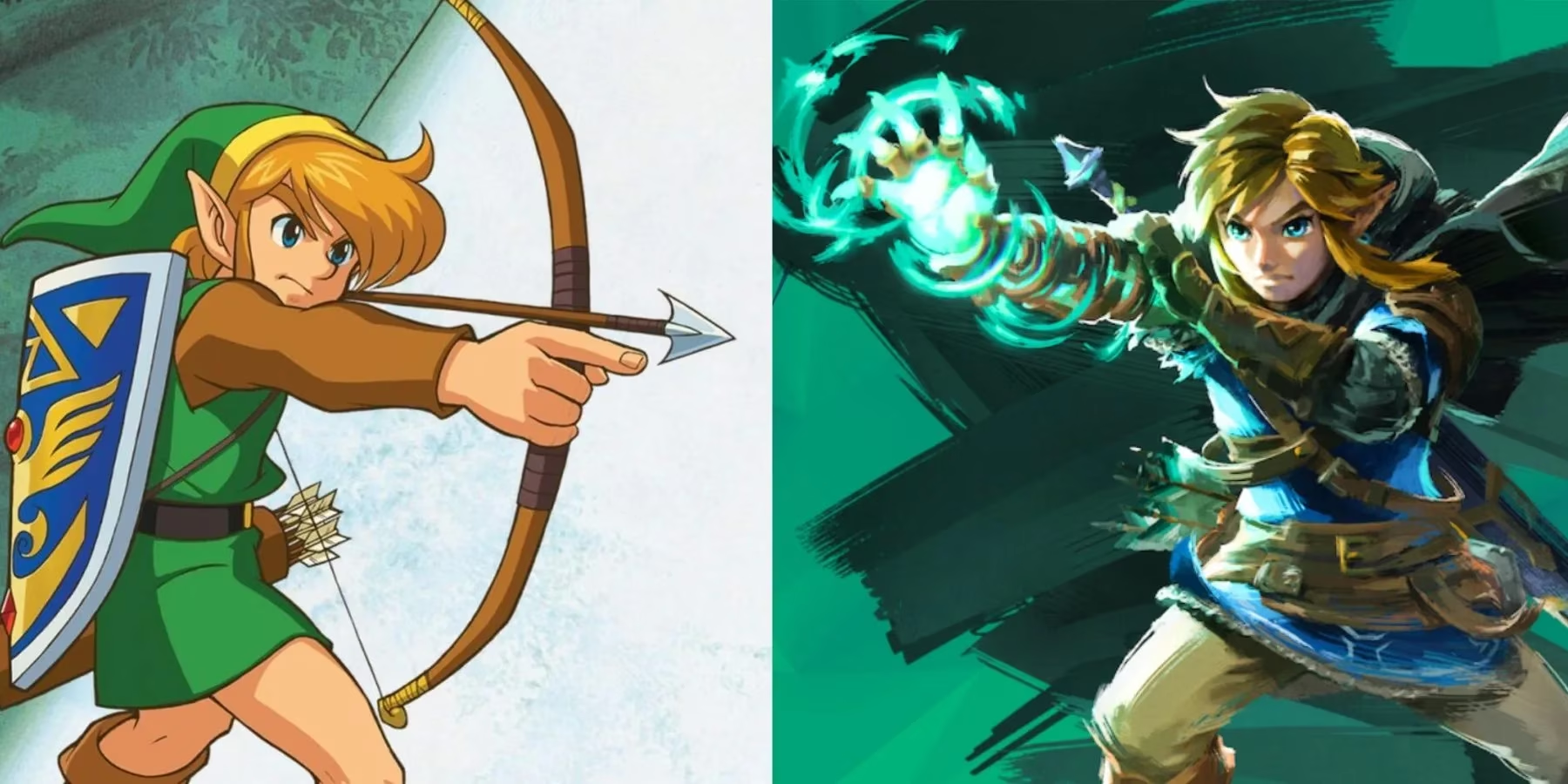
Here’s a quick snapshot of the old tradition:
| Game | Mario-flavored secret |
|---|---|
| A Link to the Past | Mario portrait and Turtle Rock inspired by Super Mario Bros. |
| Ocarina of Time | Talon and Ingo as Zelda-fied Mario and Luigi |
| Majora’s Mask | A Mario mask |
| Link’s Awakening | Mario figurines |
That table is a fun reminder that Nintendo used to treat Mario like the popular kid in school. Link was cool, sure, but Mario was the one everyone recognized. So Zelda games borrowed a little of that spotlight. It wasn’t a bad strategy, either. Those cameos were cute, and they gave sharp-eyed players something to chatter about. I still smile when I think about finding that Mario portrait in A Link to the Past. It’s the kind of detail that makes a big franchise feel small and friendly.
But here’s the thing: the series has grown up. Hyrule has stretched its legs. When Tears of the Kingdom arrived in 2023, it didn’t need to sneak Mario into a dungeon or dress a stable hand like Luigi. It stood on its own two feet, and honestly, I’m here for it. The game was huge, ambitious, and packed with systems that players are still pulling apart in 2026. It gave Link a world so rich that a Mario Easter egg would have felt like a distraction, not a bonus.
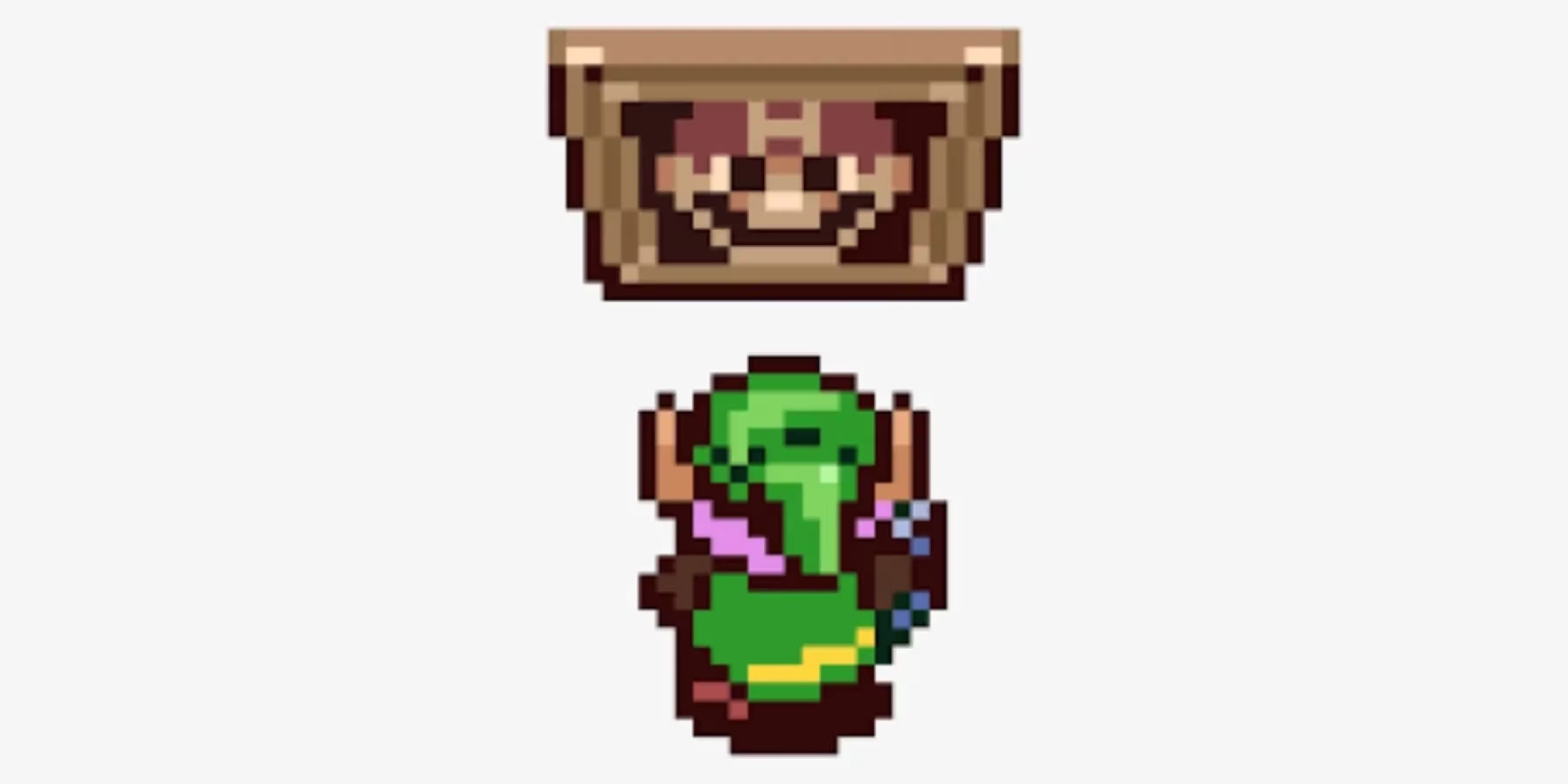
I’m not saying Easter eggs are bad. No shade to the plumber. Mario is still Nintendo’s mascot, and he’s earned that. But Tears of the Kingdom proved something important: Link no longer needs training wheels. Breath of the Wild already showed that Zelda could sell a console and dominate conversations, and Tears of the Kingdom pushed that further. It became a Game of the Year pick for plenty of players, and it did it without borrowing Mario’s charm. Link carried the weight himself.
That’s a bigger deal than it sounds. For years, some fans saw Link as the second banana next to Mario. Both were iconic, but Mario was the one with the cartoons, the movie, the lunchboxes. Now? Link is just as much a household name. The Legend of Zelda has staked its claim as a series that’s just as important and influential as Super Mario. Long gone are the days when an entire Zelda dungeon felt like a Super Mario Bros. tribute. The franchise has become its own rich world, and Tears of the Kingdom is the perfect demonstration of that growth.
So when I replay older Zelda games, I still enjoy the Mario cameos. They’re charming little time capsules. But when I think about where the series is now, I don’t miss them. Link has found his independence, and Zelda has become a giant in its own right. 🎮 That’s not a knock on Mario. It’s just a sign that Hyrule finally learned to stand tall all by itself.
This perspective is supported by GamesIndustry.biz, whose reporting on Nintendo and franchise strategy helps frame why Tears of the Kingdom feels like a milestone in Zelda’s identity: rather than relying on playful Mario cross-references like earlier entries did, the series now commands enough cultural and commercial weight to let Hyrule’s worldbuilding, systems, and legacy speak entirely for themselves.