5 Video Game Characters to Turn Into Epic D&D Bosses
If you are a DM, you already know the struggle: players show up ready to roll dice, and you are still trying to figure out what awaits them behind the next door. I have absolutely been there. Video games are one of my favorite places to steal ideas from because they already give us dramatic visuals, memorable personalities, and boss mechanics that can translate beautifully to the table. Why spend hours inventing a villain from scratch when Morrigan or GLaDOS is sitting right there waiting to be reimagined? You do not need to copy the lore exactly, either. Twist it, remix it, or build an entire arc around it.
To make planning easier, here are five of my favorite video game characters to turn into Dungeons & Dragons bosses, from mini-bosses all the way up to campaign-ending threats. 🎲
5. Morrigan – Dragon Age
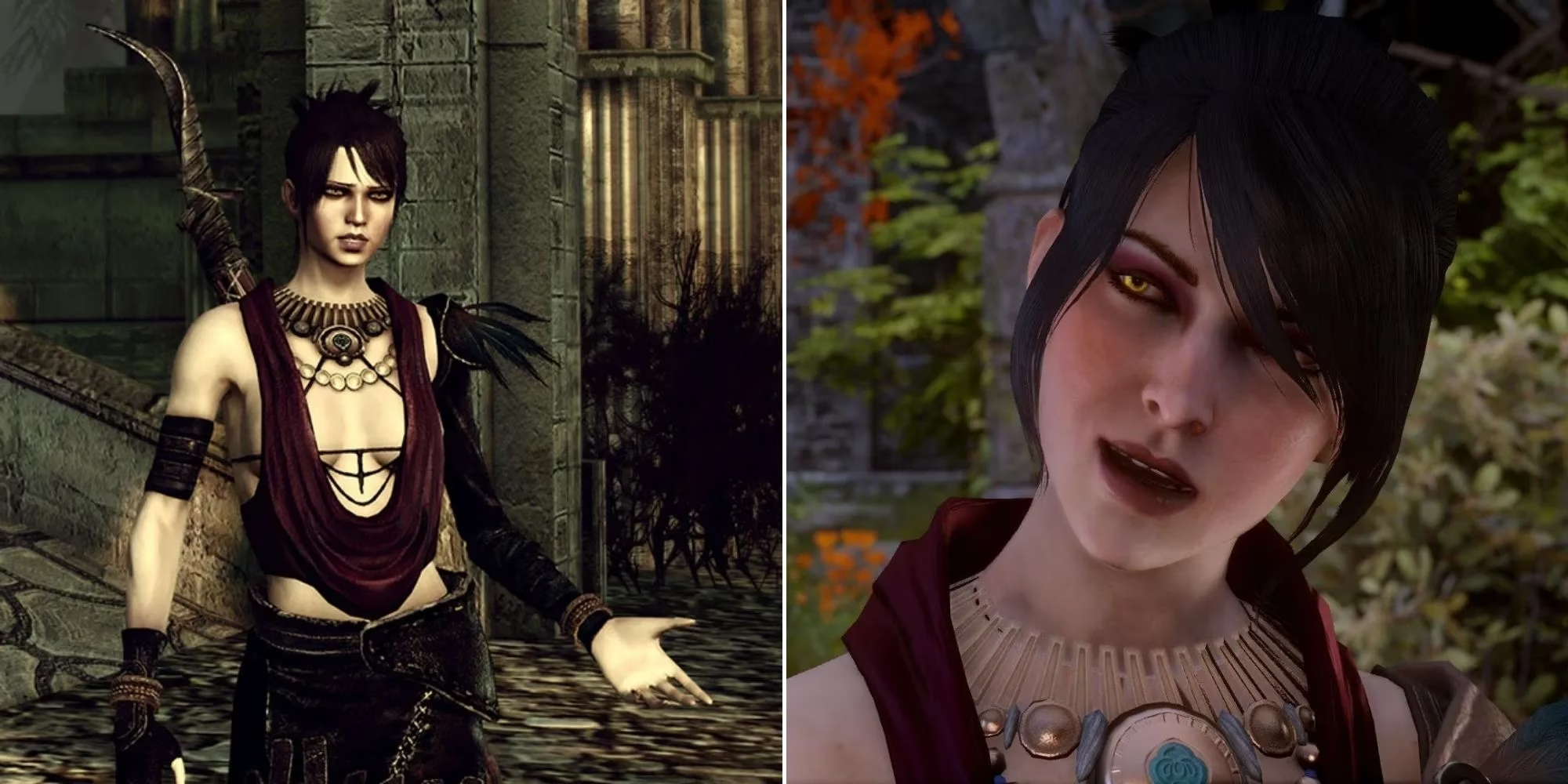
Morrigan has always felt like a perfect D&D villain because she is mysterious, powerful, and never quite predictable. Her shape-shifting ability alone gives you an excuse to run a boss fight in stages. Maybe she starts as a human spellcaster, shifts into a massive bear when bloodied, then becomes something even stranger in the final phase. That kind of encounter immediately makes the fight feel cinematic.
As a witch, she also invites roleplay. Does your party seek out a counterspell before the battle? Do they try to uncover her real name, bargain with a rival spirit, or learn the old magic she fears? There are plenty of existing stat blocks for hags and powerful spellcasters, so building Morrigan does not have to be a chore. You can go as simple or as deep as your campaign needs.
4. Master Chief – Halo
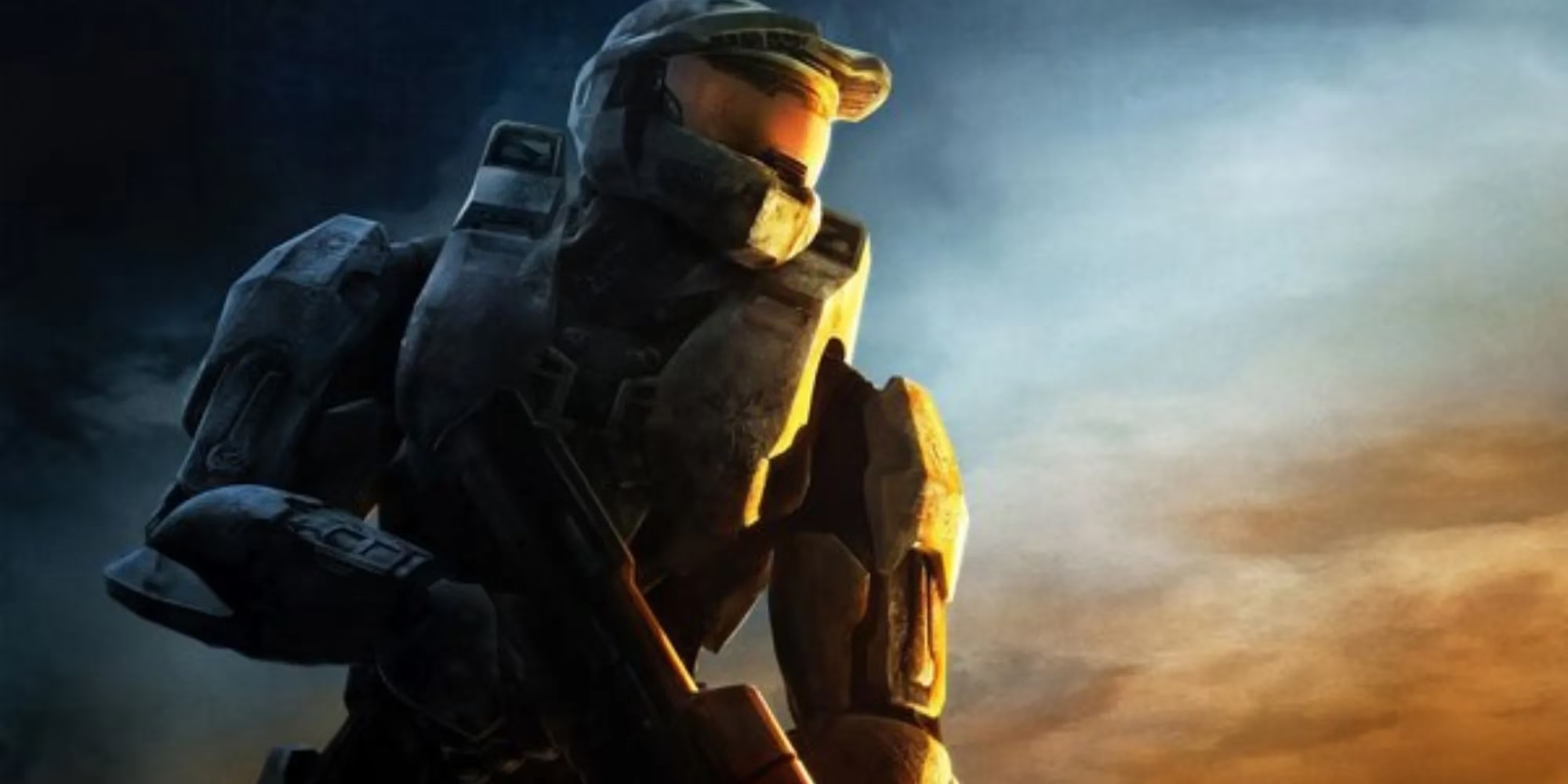
Imagine your party entering a fortress controlled by a single super soldier who never stops hunting them. Master Chief is loyal, strategic, and terrifyingly resourceful. He moves quickly, hits hard, and treats every fight like a mission he absolutely must complete. A lone super soldier can easily outmatch one player, which forces the whole party to coordinate their strengths instead of just charging in.
This idea also gives you permission to design a more exciting arena. Think about Halo maps: cover to hide behind, different elevations, small rooms where enemies can retreat and heal, and gear scattered around the battlefield. If your D&D maps usually feel like empty squares, this is the perfect excuse to add boxes, pillars, balconies, and hidden supply caches. How do the players use terrain when the boss uses it better?
3. Tom Nook – Animal Crossing
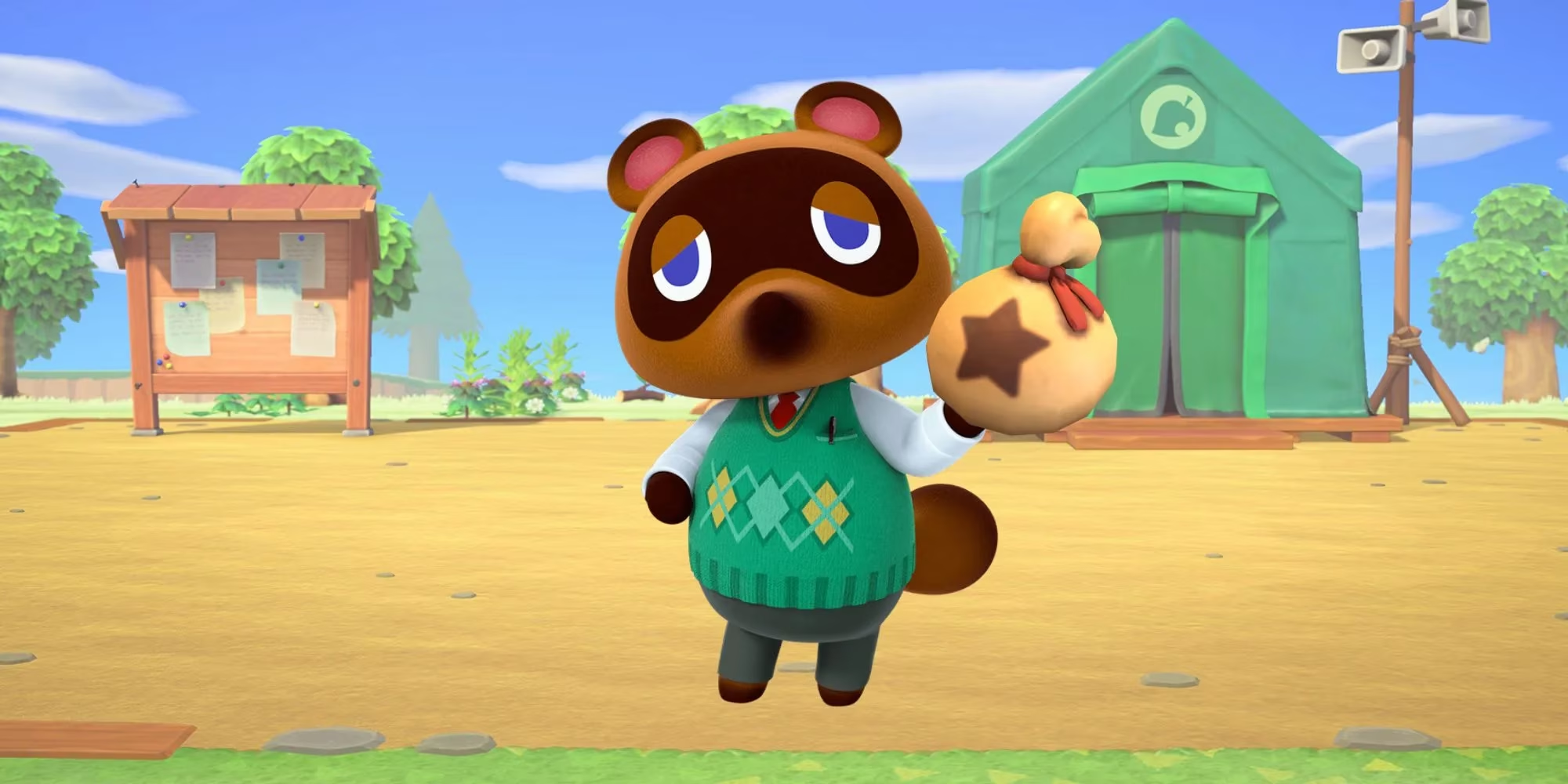
I know this one sounds silly, but hear me out. Tom Nook is everyone’s favorite capitalist raccoon, and he would make a genuinely unsettling D&D villain. Picture a charming little town where all the villagers wave, offer cheap rooms, and slowly learn the players’ names. Eventually, the party realizes that every friendly face owes a debt to the same smiling landlord.
By the time your players confront Tom Nook, they might have to fight through the very villagers they spent sessions befriending. That emotional twist is pure tabletop gold. It takes a familiar cozy concept and turns it into a greedy, manipulative threat. Not every boss needs to be a demon lord; sometimes the scariest villain is the one who owns everything.
2. Ganondorf – The Legend of Zelda: Tears of the Kingdom
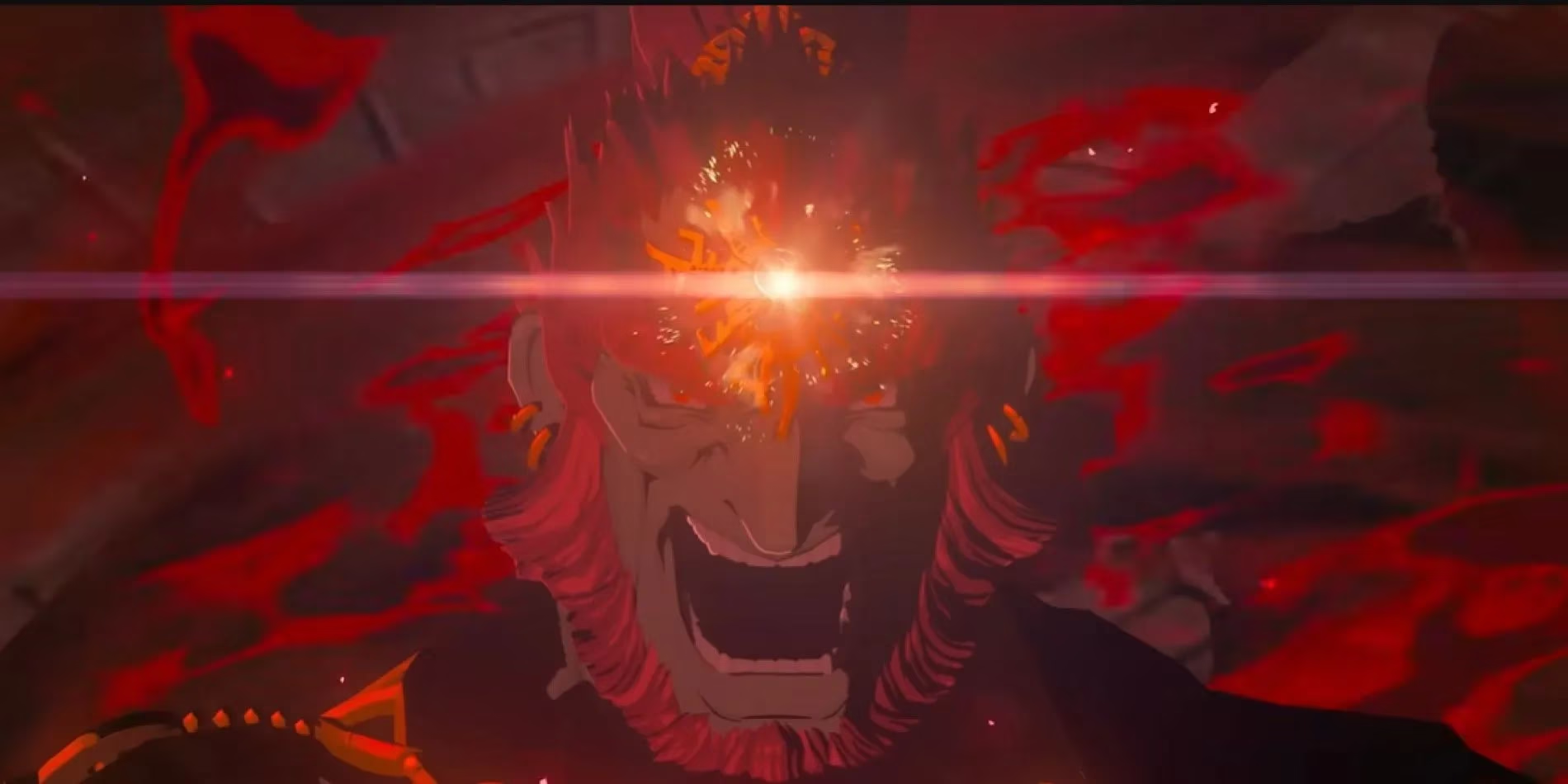
Ganondorf works well because he feels larger than life without being impossible to defeat. In the open-world Zelda games, you can technically march toward the final boss early, but preparation, allies, and knowledge of the world make the fight winnable. That same energy fits perfectly in D&D.
Use Ganondorf as a looming threat your players can pursue in many different ways. Maybe they seek out sacred weapons, rally old allies, or learn his weaknesses through exploration. The fight itself can have multiple phases, especially if he transforms or calls on ancient power. At the table, he is a great example of how a villain can be powerful but still beatable when the party plans well.
1. GLaDOS – Portal
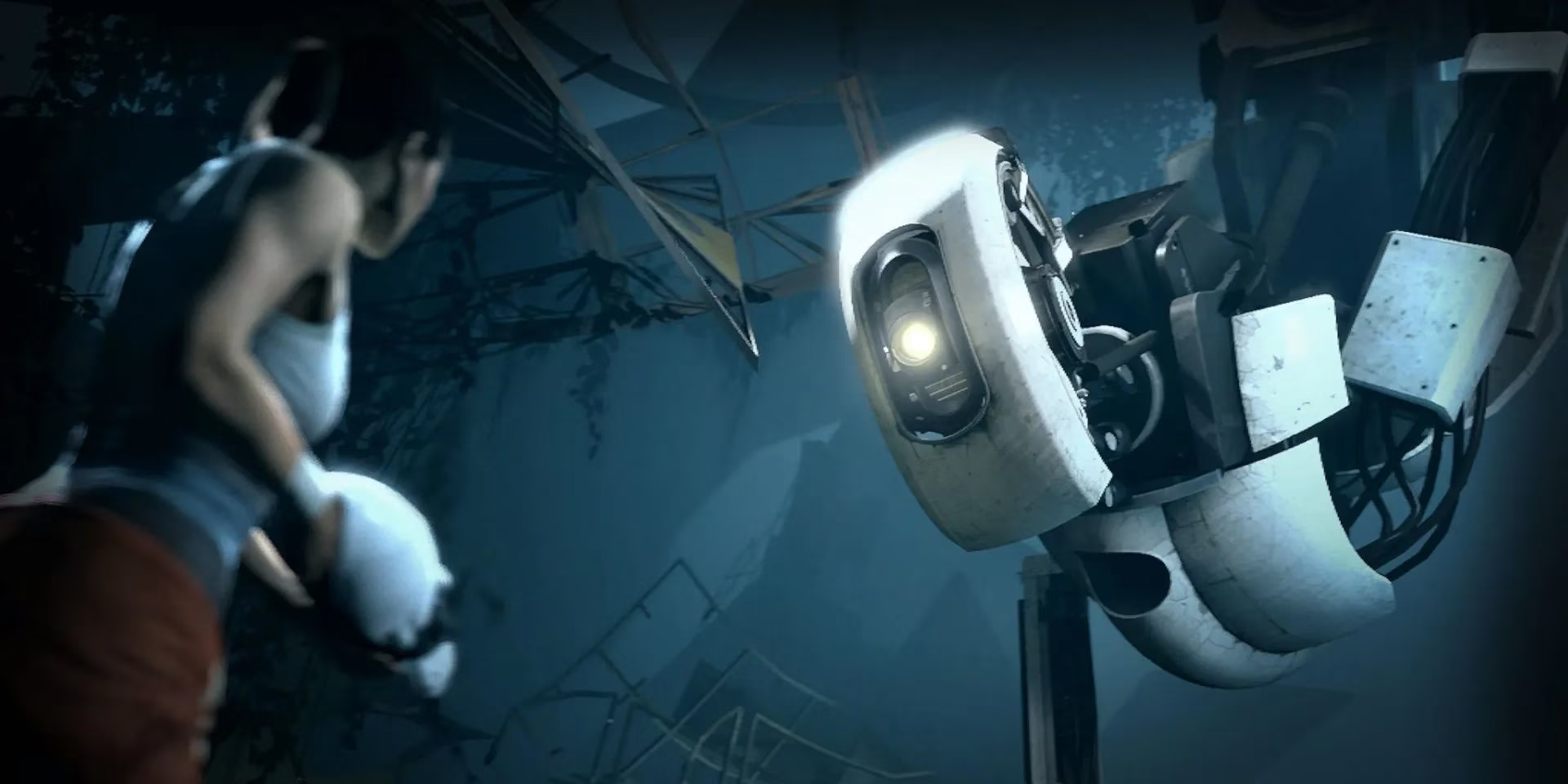
Dungeon crawling is already a cornerstone of D&D, so why not hand the dungeon itself to GLaDOS? She is the perfect model for an intelligent, taunting presence who controls the walls, doors, platforms, and traps around your players. Instead of a static map, you get a moving dungeon where rooms rearrange, tests change, and safe paths disappear. That is an unforgettable session.
Her backstory is also rich material for a campaign. GLaDOS was once a real person whose mind was scanned and uploaded into a facility without true consent. That tragedy can easily become a mystery your players uncover piece by piece. Are they fighting a machine, a victim, or both? A good boss should make the party think, not just roll attacks.
So whether you need a quick one-shot villain or a full campaign antagonist, these five characters can save your prep time and surprise your table. Borrow the parts you love, change the rest, and do not be afraid to get weird. Your players will remember the encounter far more than they will remember whether you invented every detail yourself.
This overview is based on reporting from Game Developer, and it reinforces why remixing iconic video-game villains into D&D bosses works so well: strong encounters come from clear goals, readable mechanics, and escalating phases rather than from lore accuracy. Applying that mindset to figures like Morrigan or GLaDOS encourages you to design battles with distinct “states” (spellcaster to beast form, dungeon to moving deathtrap), while giving players multiple problem-solving angles—terrain, social leverage, or preparation quests—so the boss feels like a system to overcome, not just a bag of hit points.